 Skip to content


What Is a Split System Air Conditioner? Pros and Cons
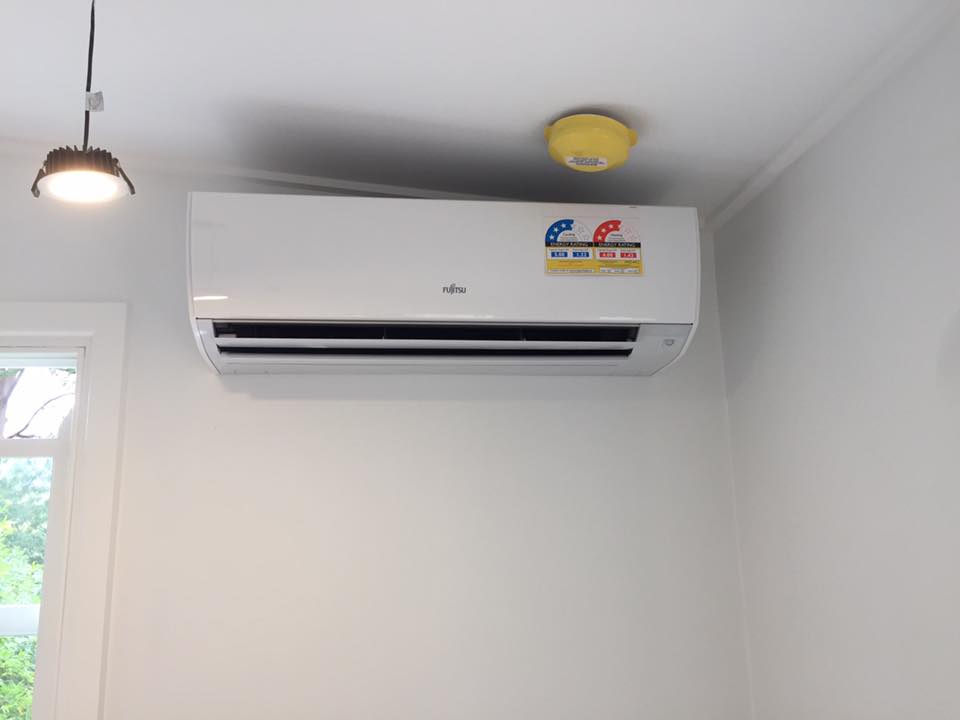
A split air conditioning system is one of the most common cooling and heating systems used in homes. It includes an indoor unit mounted on a wall and an outdoor compressor connected by refrigerant piping. Most modern systems are reverse cycle, meaning they can cool your home in summer and heat it in winter.
For many homeowners, split systems are popular because they are energy efficient and relatively affordable to install. Plus, they suit multiple locations, including bedrooms, living areas, apartments, and open-plan spaces. However, before you go all in on installation, it helps to understand what a split system air conditioner is, its performance, and its limitations. So, let’s begin.
How Does a Split System Air Conditioning Work?
A split system works by transferring heat rather than creating cold air directly. Using a continuous refrigeration cycle, the indoor unit pulls warm air from the room, passes it through refrigerant coils, and pushes cooler air back inside. The outdoor unit then releases the collected heat outside the home. In reverse-cycle mode, the process reverses to provide heating during cooler months. The main components of a split system and their purpose:
| Component | Purpose |
|---|---|
| Indoor Unit | Delivers cooled or heated air into the room |
| Outdoor Unit | Houses the compressor and condenser |
| Refrigant Lines | Transfer heat between units |
| Remote or Smart Controller | Adjusts temperature and settings |
Most modern split systems use inverter technology, which adjusts compressor speed to reduce energy use and maintain a stable temperature.
What Are the Disadvantages of Split System Air Conditioning?
While split systems suit many homes, they are not ideal for every property. Here are a few of the cons of choosing a split-system air conditioner installation:
Split System vs Ducted Air Conditioning
Both split and ducted air conditioning systems are commonly used in homes, but they suit different property types and budgets.
A split system air conditioner is generally the better option for cooling or heating individual rooms, apartments, smaller homes, or specific living areas. On the contrary, ducted air conditioning is for whole-home climate control and is often preferred in larger properties or new builds where concealed airflow and centralised control are priorities. This table will help you understand the difference between the two:
| Features | Split System Air Conditioning | Ducted Air Conditioning |
|---|---|---|
| Best Suited For | Single rooms, apartments, and open-plan areas | Larger homes and whole-house cooling |
| Installation Cost | Lower upfront cost | Higher upfront investment |
| Running Efficiency | Efficient for targeted room use | Efficient for multiple rooms when zoned properly |
| Indoor Appearance | Visible wall-mounted indoor unit | Discreet ceiling vents |
| Temperature Control | Individual room control | Centralised zoning options |
| Installation Complexity | Faster and simpler installation | More extensive installation with ductwork |
Split systems can offer a practical balance between performance, energy efficiency, and installation cost. They are particularly suitable for existing homes where installing ductwork may not be practical or cost-effective.
How Much Does Split System Air Conditioning Installation Cost in Sydney?
Installation costs vary depending on system size, property layout, electrical requirements, and pipe run length. Here is a list of approximate installation costs:
| Installation Type | Estimated Cost |
|---|---|
| Back-to-back Installation | $700–$1,200 |
| Standard Installation | $1,200–$2,000 |
| Multi-storey or Complex Installation | $2,000+ |
Note: The cost of the air conditioning unit itself is separate from installation pricing. Premium brands and larger capacity systems will increase overall costs.
What Size Split System Air Conditioning Do You Need?
Choosing the correct size is one of the most important factors. An undersized unit may struggle during summers, while an oversized system can short-cycle and waste electricity. This general room size guide can help you:
| Room Size | Recommended Capacity |
|---|---|
| Small Bedroom | 2.0 – 2.5 kW |
| Medium Bedroom | 3.5 – 5.0 kW |
| Living Room | 5.0 – 7.1 kW |
| Large Open-plan Area | 7.1 kW+ |
Several other factors can affect the size of the system you need, including:
- Ceiling height
- Insulation quality
- Window exposure
- Sunlight
- Number of occupants
- Open-plan layouts
A licensed installer should assess the space before recommending a system.
What Should You Look for When Choosing a Split System?
How Long Does Split System Installation Take?
Most standard split-system air conditioning installations can be completed within one day. However, complex installations involving long pipe runs, switchboard upgrades, or multi-storey access may take longer.
That being said, air conditioning installation work involving refrigerants must be carried out by appropriately licensed technicians. That’s where Bennett Air Con stands out. Our team is qualified to perform residential and commercial air conditioning installations and offers personalised solutions for your needs.
Frequently Asked Questions
Yes, split systems suit Sydney’s climate because they provide both cooling and heating while remaining energy efficient for single rooms and open-plan living spaces.
A quality split system can last around 10 to 15 years with proper servicing and maintenance.
Modern inverter systems are relatively efficient, particularly when correctly sized for the room and used with reasonable temperature settings.
Filters should be cleaned regularly, and professional servicing is generally recommended every 12 months.
Yes, Australian regulations require licensed technicians to handle refrigerants and complete compliant installations.